
Policies, Processes, and Protocols: Three Keys to Building a Diverse Workplace
We need new tools to address institutional bias, and to set a new standard for diversity and inclusion at social sector organizations.
We need new tools to address institutional bias, and to set a new standard for diversity and inclusion at social sector organizations.
Academic-humanitarian collaborations that mobilize rigorous scientific research can improve the effectiveness of aid efforts.
To achieve large-scale, long-term success, wildlife conservationists need to think like the private sector and invest in business innovation.

Five strategic principles for businesses thinking about entering a new market.

A recent get-out-the-vote experiment shows that turnout in primaries can be cost-effectively enlarged and broadened by targeting voters who only vote in general elections and who are often ignored by campaigns.
Liberia’s leaders are trying to jump-start their schools. Give them a break.
Social finance could provide much-needed incentives for the development of known generic drugs to treat new diseases.
Four ways corporate philanthropists can do better by their beneficiaries—and themselves.

How the Palm Center used long-term, strategic communications to break down a widely held belief and overturn a discriminatory Pentagon policy.
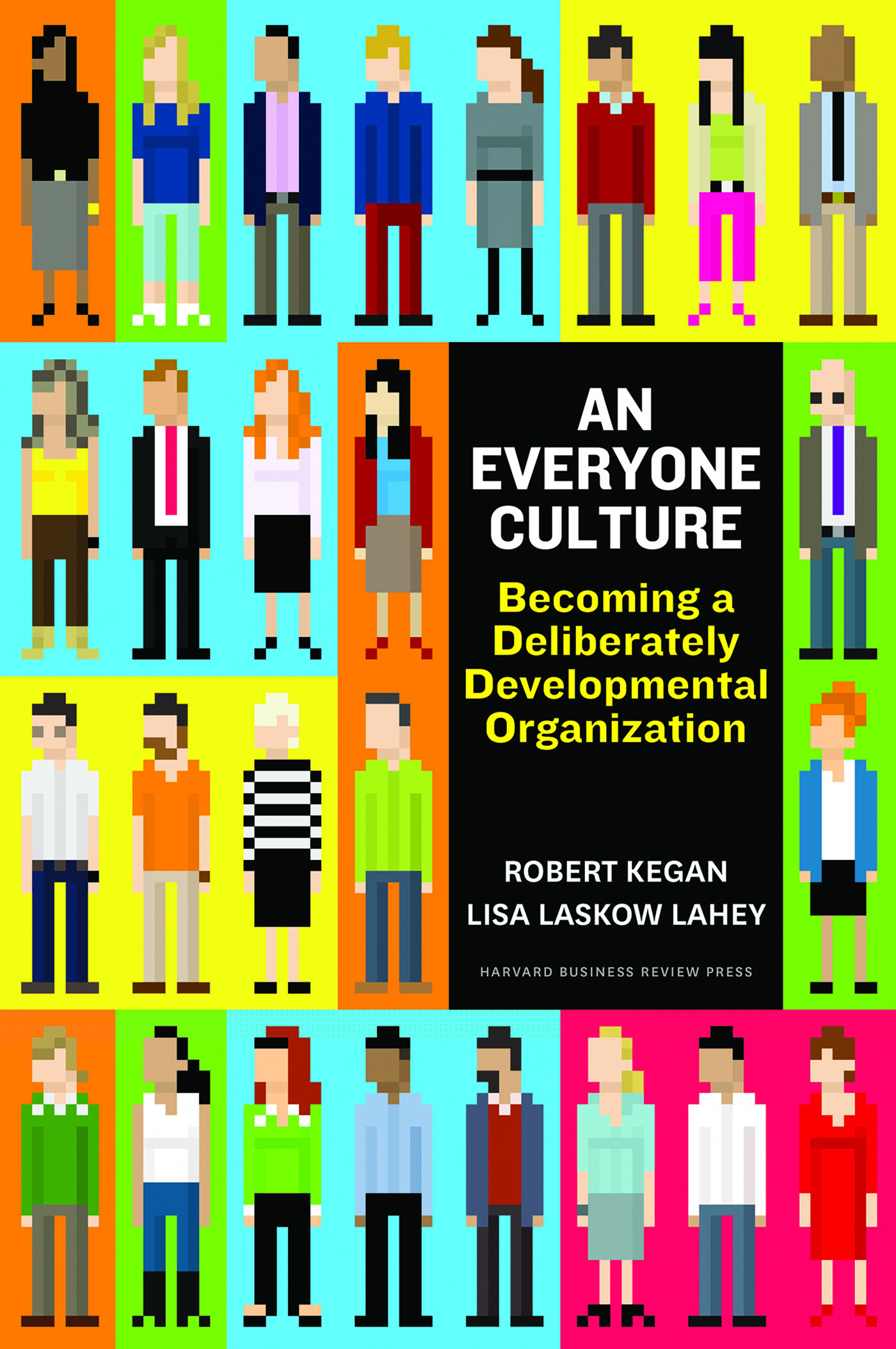
An Everyone Culture argues that organizations do best when they build an environment that encourages constant personal development among their employees.